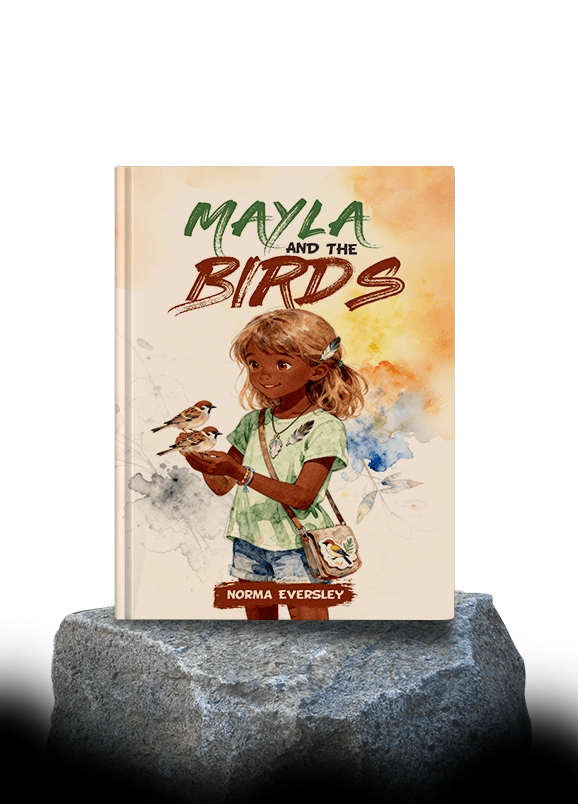
Hardcover or paperback printing is one of the largest decisions that a writer has to make when he or she is about to publish their book. They both have their uses, yet which one fits best is based on your genre, intended audience, budget, objectives, or how you wish people to view your book. When both the options are available in 2026, and both are print-on-demand, knowledgeable about the variation in the cost of book printing in the USA, quality of paper, durability, reader experience, and market fit helps you make a confident choice.
It has been divided in this guide so that you can select the format that suits your book best—and why Elite Book Distributor will make the decision for either alternative easy, high-end, and inexpensive.
Why does the hardcover vs paperback decision matter?
They are all decided by how your book is formatted; perceived value, selling price, manufacturing cost, reading experience, distribution, and even its marketing appeal. A hardcover is high quality and usually costs more, while a paperback is cheaper and easier to carry, encouraging impulse purchases.
Doing this correctly translates to more satisfied readers, higher sales potential, and smarter budgeting. Elite Book Distributor assists writers in making this decision and provides professional advice on trim size, paper quality, binding, lamination, finishing, and more—ensuring that the final result matches your vision.
Hardcover printing: Premium feel and higher costs
Hardcover books (also known as case-bound or cloth-bound) are characterized by firm covers (typically cardboard covered in cloth, paper, or printed material) and sewn or glued pages. They are often enhanced with dust jackets, headbands, and ribbon markers.
Pros of hardcover printing
- High-quality, durable, and long-lasting — ideal for collectors, libraries, gift books, and coffee-table books.
- Higher perceived value allowing retail prices of $24.99–39.99 or more.
- Best suited for books with photos, illustrations, or premium nonfiction.
- Stronger shelf presence and better appeal for awards and media attention.
Cons
- Higher book printing cost in the USA (often $8–15+ per unit depending on specs and quantity).
- Longer production time due to complex manufacturing.
- Heavier and less portable.
Ideal for literary fiction, memoirs, art/photography books, children’s picture books, and special editions.
Paperback printing: Affordable, versatile, and reader-friendly
Paperback (also known as softcover or perfect-bound) books use a flexible cardstock cover with glued pages. They are the most common format in bookstores and online.
Pros of paperback printing
- Much cheaper to produce; typically around $3–6 per unit for standard sizes.
- Lightweight, portable, and easy to ship.
- Ideal retail pricing ($9.99–19.99) encourages impulse buying and wider readership.
- Fast turnaround, perfect for testing the market or large-volume sales.
Cons
- Less durable over time (spine may wear with heavy use).
- Perceived as less premium for gifts or collectible editions.
- Limited customization compared to hardcover.
Best for genre fiction (romance, mystery, thriller, sci-fi), nonfiction how-to books, workbooks, self-help, and most self-published titles.
Which book printing type is best for different authors and genres
- First-time or self-published authors → Start with paperback. Lower risk and cost, easier to test market demand.
- Genre fiction → Paperback dominates due to affordability and portability.
- Educational and nonfiction → Paperback for usability and convenience.
- Premium or gift books → Hardcover for higher perceived value and presentation.
- High-volume commercial printing → Paperback for cost efficiency.
- Limited runs or events → Paperback for faster production.
Elite Book Distributor helps you choose based on your goals, then delivers using high-quality paper, lamination (matte/glossy), premium finishing (foil, embossing), and optimal trim sizing.
Factors that influence book printing cost in the USA
- Quantity — Larger print runs reduce per-unit cost.
- Trim size — Standard sizes (6×9, 5.5×8.5) are more affordable.
- Page count and paper quality — More pages and premium paper increase cost.
- Binding type — Hardcover with extras (dust jackets, ribbons) adds cost.
- Color vs black & white — Full-color interiors significantly increase pricing.
Elite keeps pricing transparent and competitive by using efficient digital printing and flexible specifications that balance quality with budget.
How Elite Book Distributor makes printing simple and high-quality
Elite handles the entire process:
- Expert manuscript finalization and interior layout.
- Custom cover design that sells.
- Premium recommendations on trim size, paper quality, binding, and finishing.
- Advanced digital printing for sharp, vibrant results.
- Fast, reliable turnaround and nationwide shipping.
Authors love Elite because they get professional hardcover vs paperback printing options without sacrificing quality or breaking the bank—all while keeping full creative control.
Ready to Choose Your Format? Contact Elite Today
The decision regarding hardcover or paperback printing is a very large one; however, it does not have to be a stressful one. Elite Book Distributor takes you through the entire process, offering the best type of book printing at the best price and service.
Contact Elite today. Get them to make up your mind on the ideal format and make your book come alive- get them now and prepare to have your story in print.
Back to Blogs